
Ballyroe, Templetogher
Logainm
The townland of Ballyroe is a located in the parish of Templetogher, barony of Ballymoe, County Galway. Its name in Irish is An Baile Rua, or the Red Quarterland. It was documented in 1838 in Irish as “An Baile Ruadh” and in English as Ballyroe.
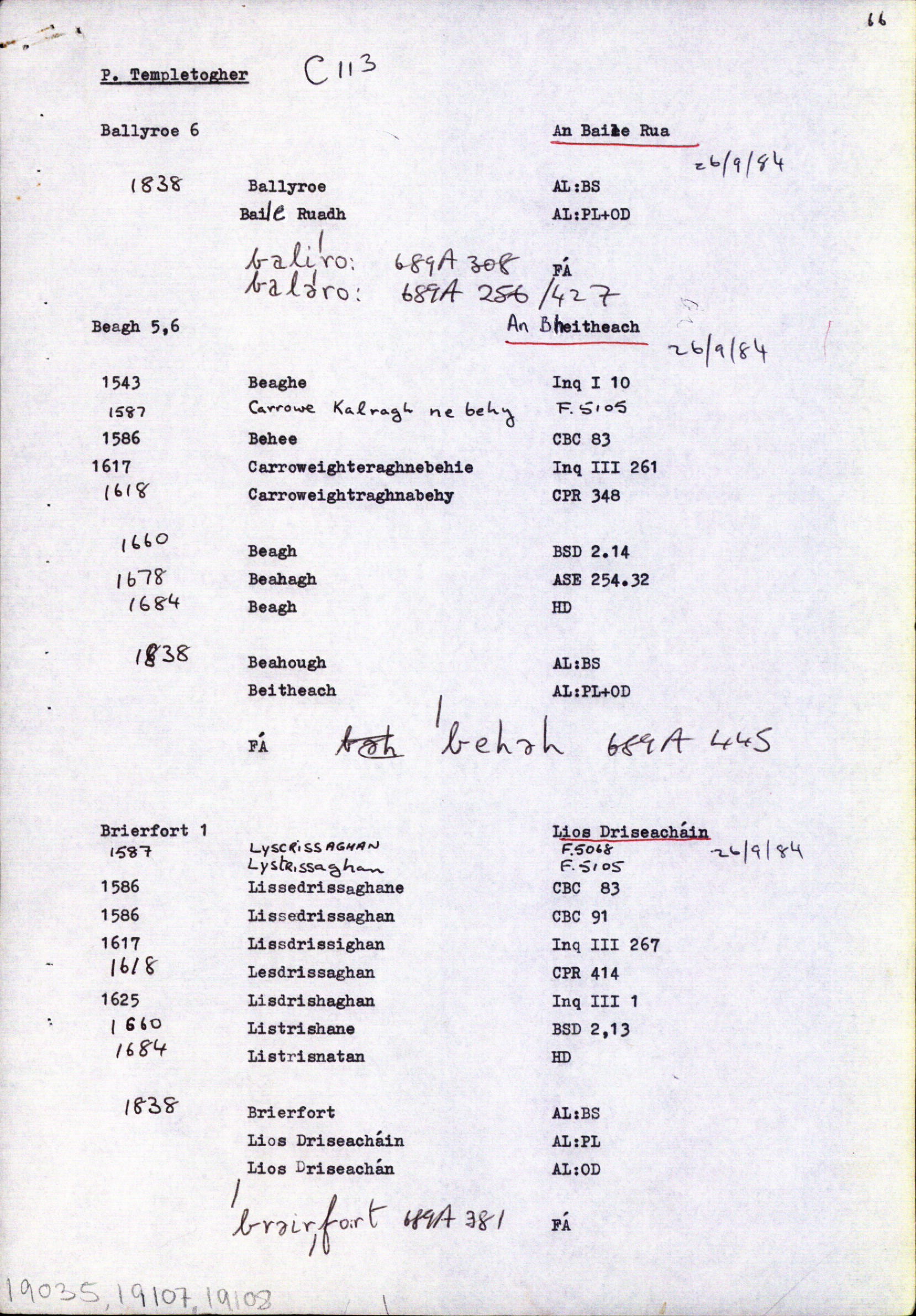
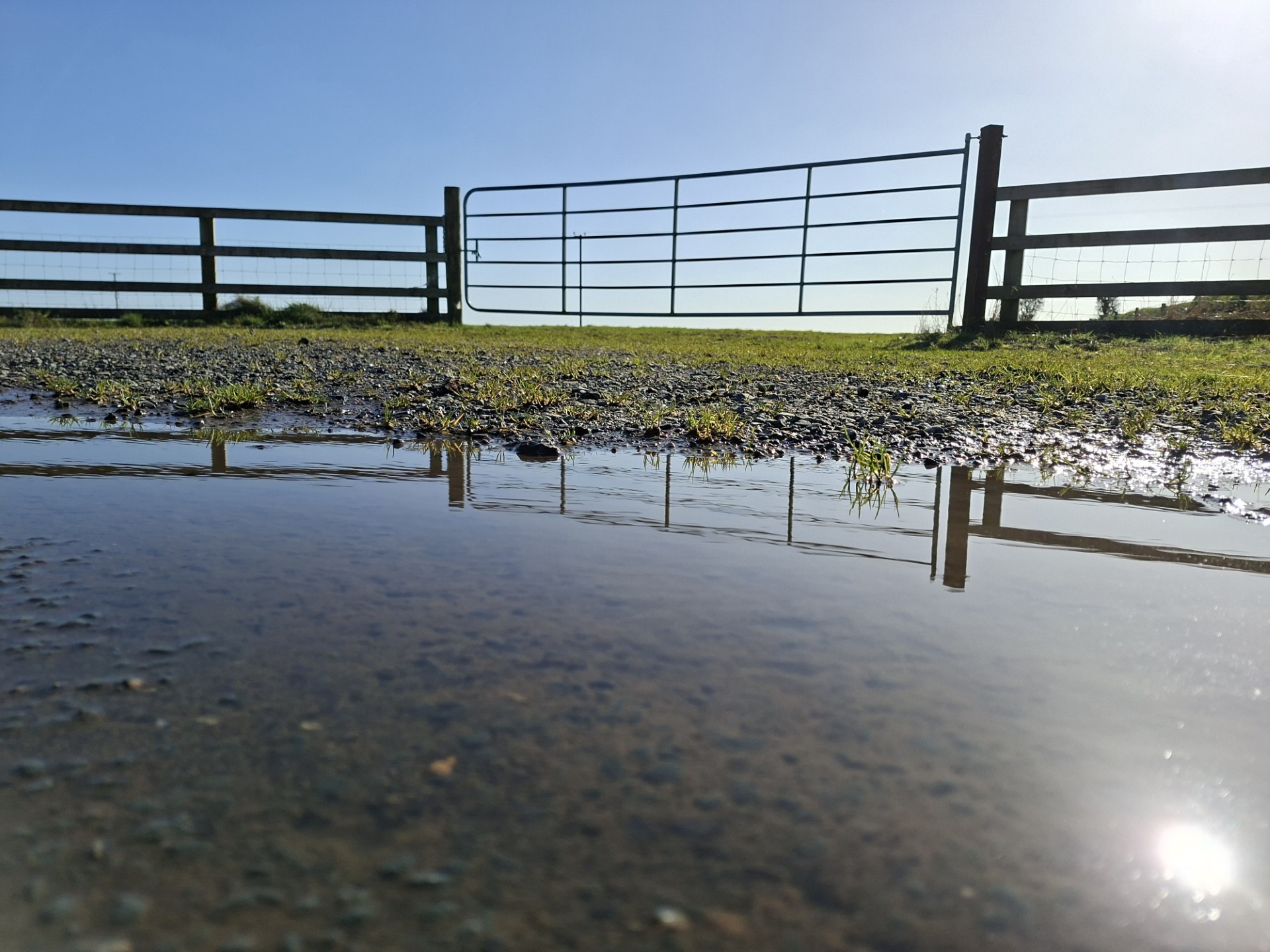
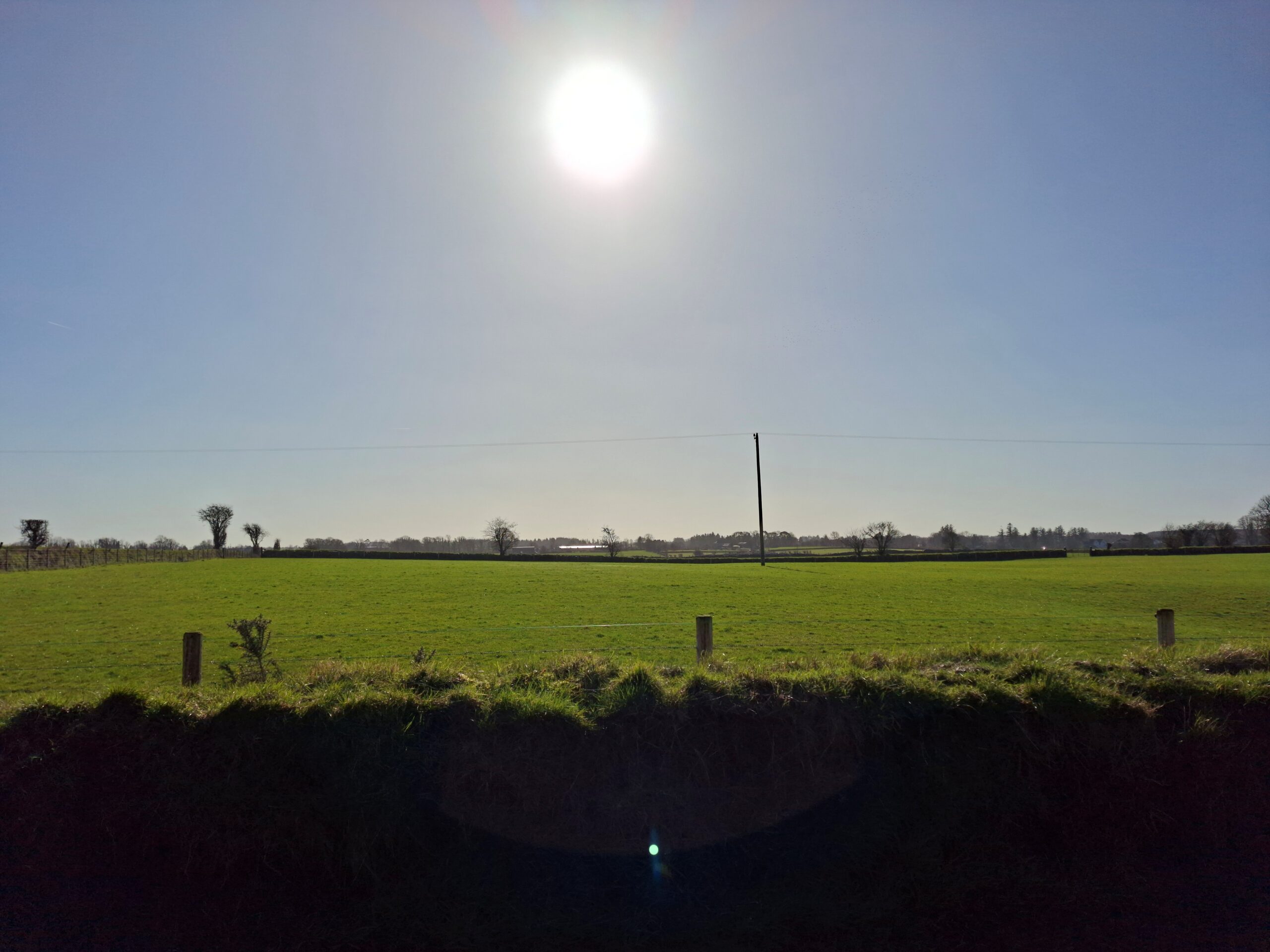
According to O’Donovan’s Field Name Books, “This townland presents no remarkable feature only 3 small portions of fir plantations. The road from Dunmore to Ballymoe passes through the N.W. corner. The remainder of the land is tillage and pasture. Ballyroe is situated about 3/4-mile East of a junction of 4 roads in the townland of Kilnalag this parish.” The centrepoint of this townland is 53.6785, -8.56661.
Griffith’s Valuation (1856)
Ballyroe townland has 19 entries under Griffiths Valuation, which conducted in 1856. There is only one house and one plantation listed. The remaining entries describe only land. There are 171 acres, 3 Perches and 36 roods listed in Ballyroe and are valued at 86 pounds and 5 shillings. William McDermott and Glasgow Connolly are listed as the immediate lessors (Landlord) for every listing in Ballyroe, as it indicated by either their names, “same” or “in fee”. View the original document here.
Entry one denotes the tenant as Kelly Hawthorne. The description of the land states that was one house and land was being rented. The land 7 acres, 2 roods and 17 perches in size and valued at 3 pounds and 10 shillings. The house was worth 15 shillings. In total, valued as 4 pounds and five shillings.
Entry two was occupied by Patrick Farrell. He rented 3 roods and 32 perches of land, which was valued at 4 pounds and five shillings.
Entries three, four and five refer to John Guilfolye [sic]. Entry three is land that is 1 acre, 3 roods and 36 perches in size, valued at one pound. Entry four is 2 roods and 20 perches valued at 5 shillings. Entry five is 14 acres, 2 roods and 18 perches valued at 7 pounds and 10 shillings. Combined, the land is worth 8 pounds and 15 shillings.
Entry six lists the occupier as John Nestor. He rented 1 acre, 3 roods and 5 perches of land that was valued at 1 pound.
The occupier of entry seven is Edward Brien. He rented 1 acre, 3 roods and 15 perches, which was valued at 1 pound.
Bartholemew Mitchell is listed as the occupier for number eight. He was renting 5 acres, 3 roods and 38 perches, valued at 3 pounds in total.
Number nine is occupied by Laurence Reilly. Rented 13 acres, 2 roods and 15 perches of land. Valued at 6 pounds and 15 shillings.
Patrick Cunniffe occupies number 10. He rented 23 acres and 23 perches valued at 11 pounds.
James Connell is listed as the occupier for number 11. He rented 15 acres and 2 roods of land valued at 11 pounds.
Number 12 is occupied by Patrick Kane and Patrick Kearney. The land was 13 acres and 7 perches in size. It was valued at 3 pounds and 5 shillings.
Thirteen is occupied by Andrew Smith and Patrick Kenny. They rented 23 acres, 3 roods and 30 perches of land. Andrew’s section was valued at 8 pounds, and Patrick’s was valued at 4 pounds.
Fourteen and fifteen are also occupied by Patrick Kenny. Plot 14 is 3 acres, 3 roods and 10 perches and was valued at 2 pounds. Plot 15 is 2 acres, 2 roods and 8 perches in size and is valued at one pound and ten shillings. In total, the plots were valued at 3 pounds and 10 shillings
Plots Sixteen and Seventeen are occupied by William McDermott and Glasgow Connolly. The land is listed as a plantation. Plot 16 is 2 acres, 1 rood and 20 perches in size. Plot 17 is 1 acre and 4 perches in size. The plots are valued collectively at 2 pounds.
Plots 18 and 19 are occupied by Michael Mulrey [sic]. Plot 18 is 9 acres, 3 roods and 19 perches in size. Entry 19 is 18 acres, 2 roods and 33 perches in size. Collectively, they are valued at 15 pounds.
1901 census
The Enumerator’s Abstract (Form N) , states that the enumerator was Patrick Reynolds, there were 5 inhabited houses containing 14 individuals in total, 8 female and 6 male, all of which were Roman Catholic. The oldest resident was 70 years old and the youngest was 3. Only one adult and one young child could not read. Form B1states that there was one 1st class dwelling, three 2nd class dwellings and one third class dwelling. According to Form B2, there were 10 outhouses.
Household one – Fitzgibbon
The head of the hold was James Edward Fitzgibbon (42). He was an unmarried General Practitioner and [illegible], originally from county Roscommon. He lived with one servant, Ellen Doyle (42), a widow originally from England. Both could read and write in English. They lived in a 1st class private dwelling. The walls were made out of stone, brick or concrete. The roof was made out of slate, iron or tile. There were 13 or more rooms in the building and 6 windows at the front. According to Form B2, the property contained 6 outhouses in total; one stable, two coach houses, a piggery, a fowl house and a turf house.
Household two – Hawthorne
Michael Hawthorne (66) was head of the household. He was a married builder from Galway. His wife, Bridget Hawthorne (62) had no listed occupation. Their son, Michael Hawthorne (29) was an unmarried stone cutter and sculptor [illegible]. Their daughter, Agnes Hawthorne (20) was listed as an unmarried builder’s daughter. She had one child, Katie Burke (3). All occupants were from Galway and could read and write in both Irish and English, except granddaughter Katie. They lived in a 2nd class private dwelling. The walls were made out of stone, brick or concrete. The roof was either thatched, made out of wood or other perishable materials. There were between 2 and 4 rooms in the house and 3 windows at the front. According to Form B2, there were 3 outhouses; a cowhouse, one piggery and one shed.
Household three – Mannson [sic]
Catherine Mannson (64) was the head of household. A widow from Galway, she could not read but could speak both Irish and English. She lived with her niece, Bridget Collins (18?) [illegible], an unmarried farmer’s daughter who could read and write in both Irish and English. They lived in a 2nd class private dwelling. The walls were made out of stone, brick or concrete. The roof was either thatched, made out of wood or other perishable materials. There were between 2 and 4 rooms in the house and 3 windows at the front. According to Form B2 there was one cowhouse.
Household 4 – Morris
Martin Morris (70) was the head of the household. His occupation was listed as Herd [sic]. He could read and write in Irish and English. His wife, Honor Morris (50) could read Irish and English. Their son, Martin Morris (21) was an unmarried Herd Son [sic] who could read and write. They lived in a 2nd class private dwelling. The walls were made out of stone, brick or concrete. The roof was made out of slate, iron or tile. There were between 2 and 4 rooms in the house and there were 2 windows at the front of the building. According to Form B2 there was one cowhouse.
Household 5 – Connaughton
Dominick Connaughton (26) was the head of household. His occupation was listed as tenant. He lived with his wife, Catherine Connaughton (25). They could both read and write in Irish and English. They lived in a 3rd class private dwelling. There are 2 windows at the front of the building. The walls were made out of stone, brick or concrete. The roof was either thatched, made out of wood or other perishable materials. There were between 2 and 4 rooms in the house and there were 2 windows at the front of the building. This entry is not featured on Form B2.
Entry six – Ballyroe National School
Ballyroe National School. Listed as uninhabited. No additional details.
1911 Census
There are five properties listed, four of which are occupied by families, in addition to one Ballyroe National School. There were 20 people recorded living within the townland across the 4 inhabited private dwellings. Half of which were under the age of 18. The oldest resident was age 75 and the youngest was one year old. All of which were Roman Catholic. Only one adult was listed as illiterate. One property was listed as a 1st class private dwelling and the remaining 3 as 2nd class private dwellings, according to Form B1. There are 12 outhouse properties listed in this townland according to Form B2. According to the enumerator’s abstract (Form N) was Constable Martin J. Burke.
Household One – O’Sullivan
Head of the household, Christopher F.X. O’Sullivan (25) was a medical practitioner, single, could read and write and spoke both English and Irish. He lived with his sister, Mary O’Doherly [sic] (24). She had been married for seven years and had two children, only one of which was alive, her daughter, Freda O’Doherly (3). Also present in the household was a servant, Fred McCabe (18), originally from Limerick. All occupants were Roman Catholic. According to Form B1, the property is listed as a first-class private dwelling, the walls were made out of either stone, brick or concrete, the roof was made out of either slate, iron or tiles. The house had between 10 and 12 rooms and 5 windows at the front of the house. Additionally, the property contained, according to Form B2, 4 outhouses which consisted of one stable, a coach house, a turf house, and a cowhouse.
Household two – Hawthorne
Michael Hawthorne (41) was head of the household. A stonecutter by profession, he had been married to his wife Margaret (40) for seven years. Both could read and write. They had four children three sons, Michael (7), William (3) and Kelly (1) and one daughter, Bridget (5). They lived with Michael’s widowed mother, Bridget (71), who could read and write in both Irish and English. All occupants were Catholic. Form B1 states that the building was a 2nd class private dwelling. The walls were made out of either stone, brick or concrete and the roof was made out of wood or other perishable material. They had between 2 and 4 rooms with 3 windows at the front. Form B2 states that the property had one stable, one cowhouse and one piggery on their land.
Household Three – Mannion
Catherine Mannion (75) was the head of household. Widow Bridget McDermott (27) was the landowner. She had been married for seven years, with two sons, John (8) and Martin (4) and two daughters Mary (7) and Winefrede (3). All of the children are listed as scholars. They lived with a boarder, Martin McDermott (33) who was single and a carpenter. All occupants were Catholic. Form B1 states that the building was a 2nd class private dwelling and that Bridget McDermott was the landowner. The walls were made out of either stone, brick or concrete and the roof was made out of wood or other perishable material. They had between 2 and 4 rooms with 3 windows at the front. They had one cow house, one piggery and one workshop, per Form B2.
Household Four – Ballyroe National School
According to Form B1, is listed as uninhabited, No additional details
Household Five – Kelly
Head of household, Owen Kelly (27) was a single farm labourer, originally from County Westmeath, who lived with his younger brother Patrick (14). Both could read and write in English. Both were Catholic. Form B1 states the building was a 2nd class private dwelling, the walls were made out of either stone, brick or concrete, the roof was made out of either slate, iron or tiles. There were between 2 and 4 rooms in the house, with three windows at its front. Additional outhouse property consisted of a cow house and a piggery, according to Form B2.
No Comments
Add a comment about this page