
Cartron East (Cortoon East), Templetogher
Logainm
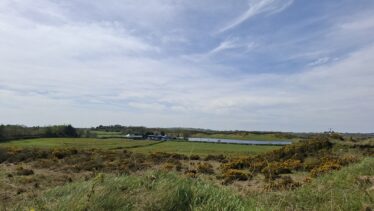
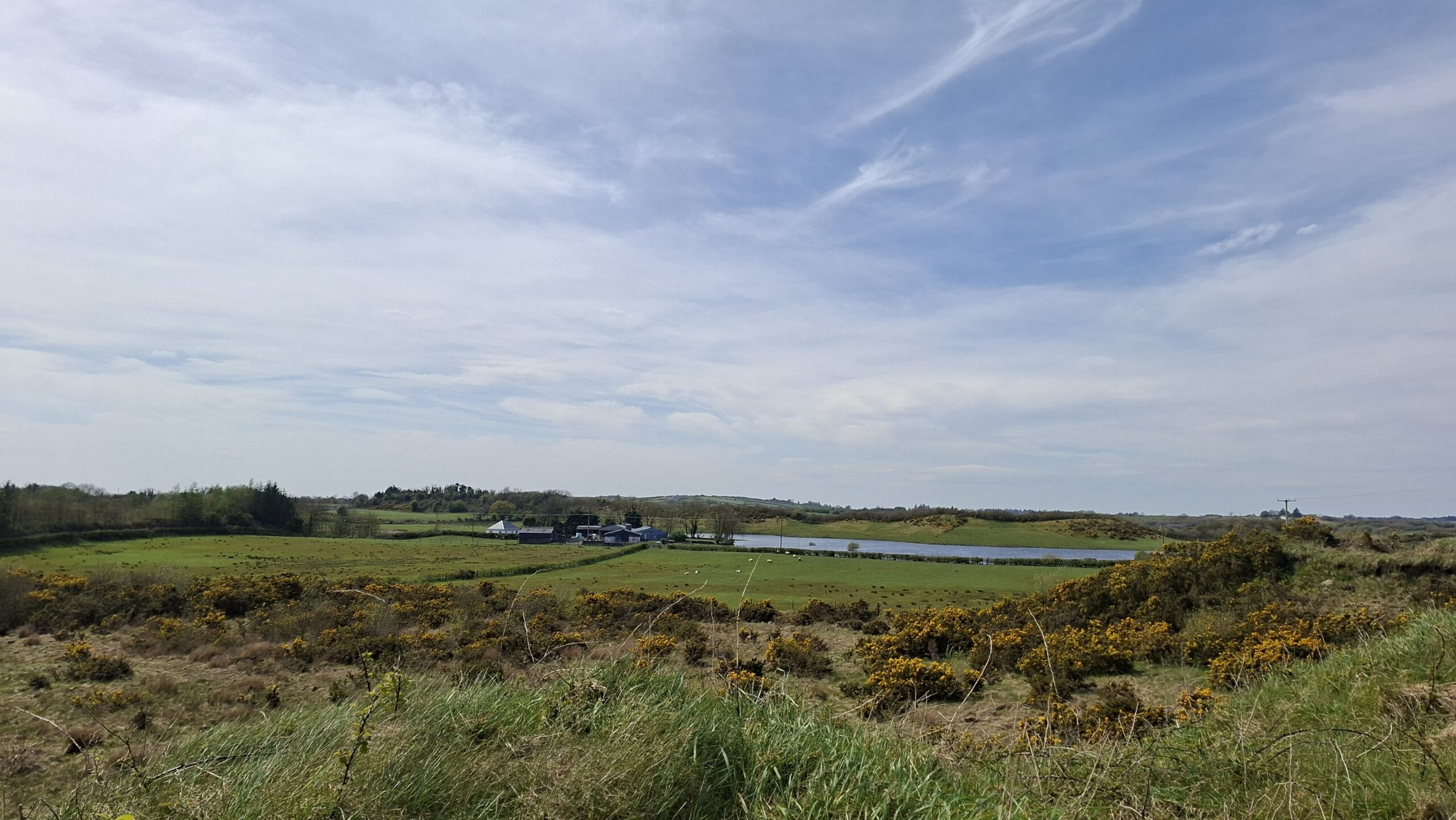
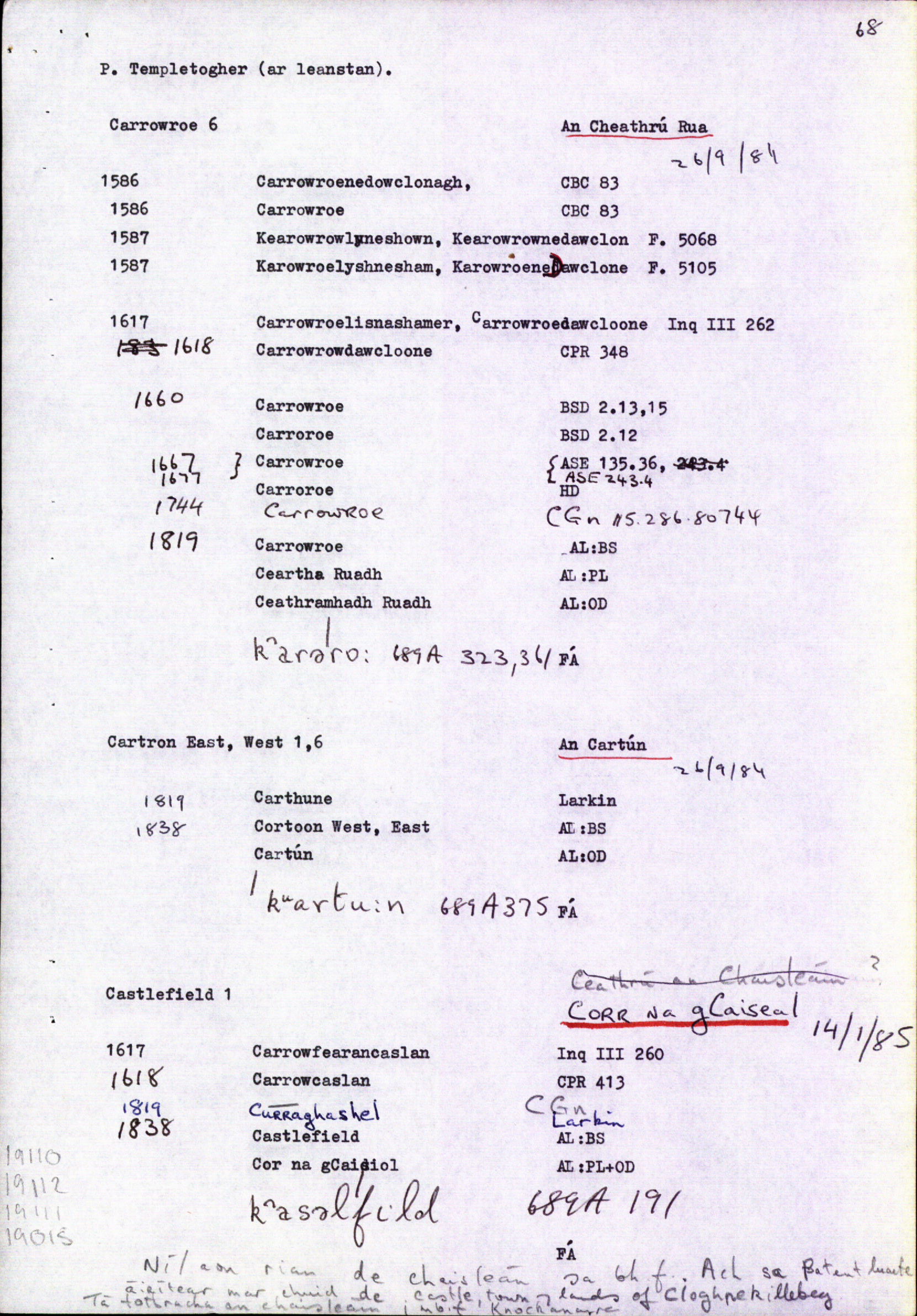
The townland of Cartron East (sometimes documented as Cartoon East or Cortoon East) is located within the parish of Templetogher, barony of Ballymoe, county Galway. In Irish, its name is An Cartún Thoir, meaning the east quarter. It was first recorded as Carthune in 1819, before being divided into Cortoon West and East in 1834. It is listed as ‘Cortoon East’ in O’Donovan’s Field Name Documents, which states “There is a Danish Fort on the West boundary, the greater portion of which is in this townland. There is nothing else remarkable. The land is tillage and pasture. Cortoon East is situated 1 [and] 1/4 miles S.W. of Poulleigh village in the townland of Poulleigh. South in this parish.” The geographic centrepoint of this townland is 53.6818, -8.62419.
1856 Griffiths Valution
There are a total of 4 entries for this townland. The immediate lessor for every entry is Sir Saint George Gore Bartholomew. There are a total of 36 acres, 1 rood and 3 perches in total for this townland, valued at £13. There were no buildings in this townland. View the original documentation here.
Entry one was occupied by Martin Kenny. He rented a house, office and land of size 8 acres and 30 perches in size. The land was valued at £3 and the buildings at an additional 10s,
Entry two was occupied by Thomas Delany [sic]. Rented a house and land acres 18 and 13 perches in size. It was valued at £5. The house was valued at an additional 15s.
Entry three was occupied by Thomas Quinn. He rented a herd house, office and land. The land was 10 acres and 36 perches in size. It was valued at £4. The buildings were valued at an additional 10s.
1901 Census
The Enumerator’s Abstract states that there were 2 males and 5 females listed in the townland spread across 2 households. All were listed as Catholic.
Household 1
Catherine Delaney (80) was the head of household. She was a widow and farmer. She could not read or write, but could speak Irish and English. She lived with her daughter Catherine (40), who was listed as a Domestic Servant that could read and write and spoke Irish and English. Both were Catholic and from Galway. According to census Form B1, they lived in a 2nd class private dwelling. The walls were made out of stone, brick or concrete. The roof was wooden, thatched or made out of another perishable material. There was between 2 and 4 rooms in the house and 2 windows at the front. Form B2 states that there was a cowhouse also on the property, though there is a missing page as of April 2026.
Household 2
Patrick Delaney (62) was the head of household. He was listed as a Farm Labourer. His wife Celia (52) was listed as a Domestic Servant. They lived with their three children. Mary (27), a Domestic Servant, Martin (19), a Farm Labourer and Maggie (17), a Domestic Servant. All could read and write in Irish and English. All were Catholic and from Galway. According to census Form B1, they lived in a 2nd class private dwelling. The walls were made out of stone, brick or concrete. The roof was wooden, thatched or made out of another perishable material. There was between 2 and 4 rooms in the house and 3 windows at the front. Form B2 states that there was a cowhouse and barn also located on the property, though there is a missing page as of April 2026.
1911 Census
The Enumerator’s Abstract states that there were 2 males and 2 females in the townland, spread across 2 households. All were listed as being Roman Catholic.
Household 1
The head of household was Kate Delaney (46). She was a single farmer that could not read. She was listed as a Catholic and from county Galway. She was the sole occupant of the residence. According to census Form B1, she lived in a 3rd class private dwelling. The walls were made out of stone, brick or concrete. The roof was wooden, thatched or made out of another perishable material. There was 1 room in the house and 2 windows at the front. Form B2 states that there was a cowhouse, piggery and barn located on the property.
Household 2
The head of household was Patrick Delaney (73). He was a married farmer. His wife Celia (68) had no listed occupation. They lived with their unmarried son Thomas (34). He had no listed occupation. All three could read, write and speak in both Irish and English. They were all listed as Catholic and originally from Galway. According to census Form B1, they lived in a 2nd class private dwelling. The walls were made out of stone, brick or concrete. The roof was wooden, thatched or made out of another perishable material. There were between 2 and 4 rooms in the house and there were 3 windows at the front. Form B2 states that there was a stable, cowhouse, piggery and barn located on the property.
No Comments
Add a comment about this page