
Beaghbeg Monuments
National Monuments Service
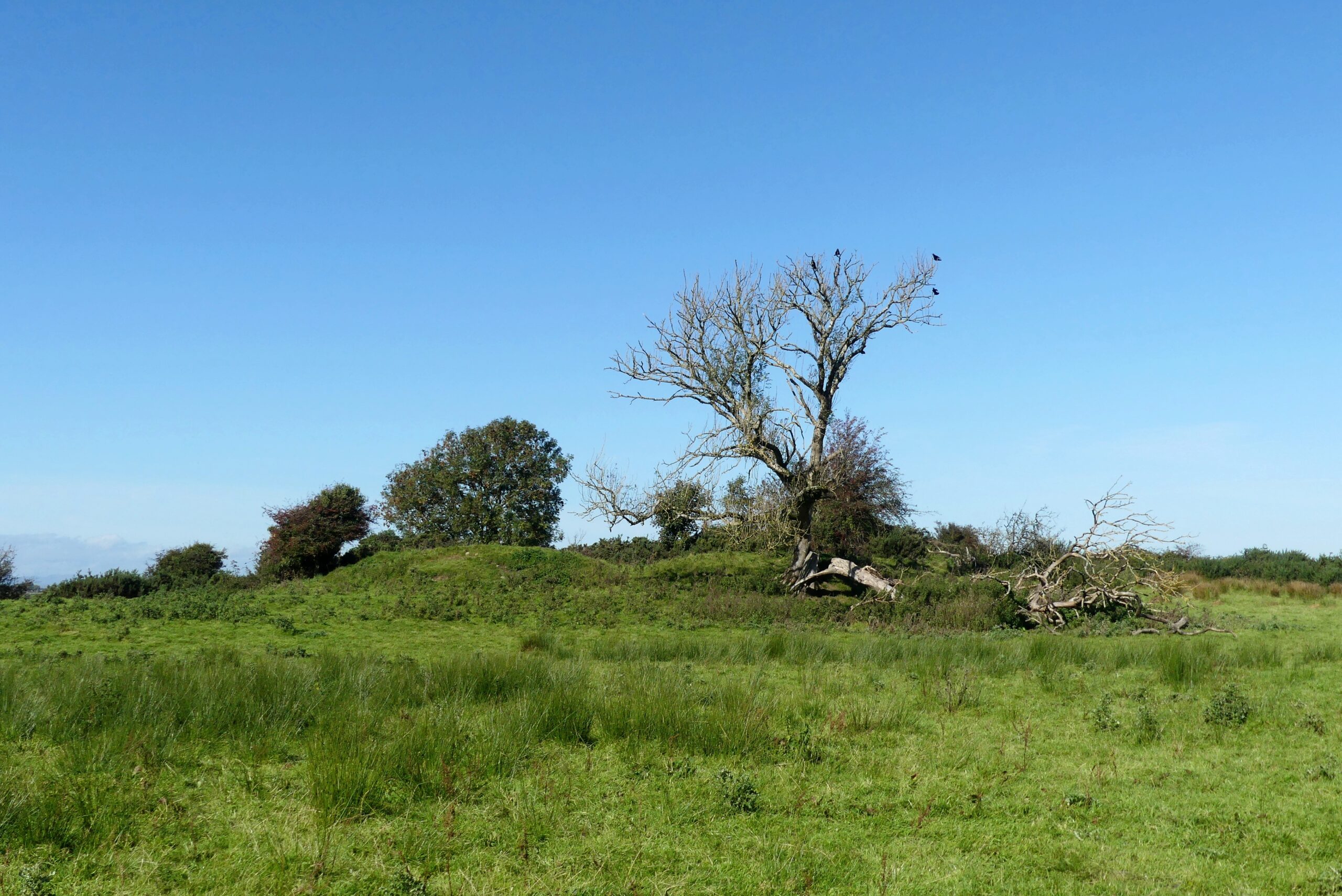
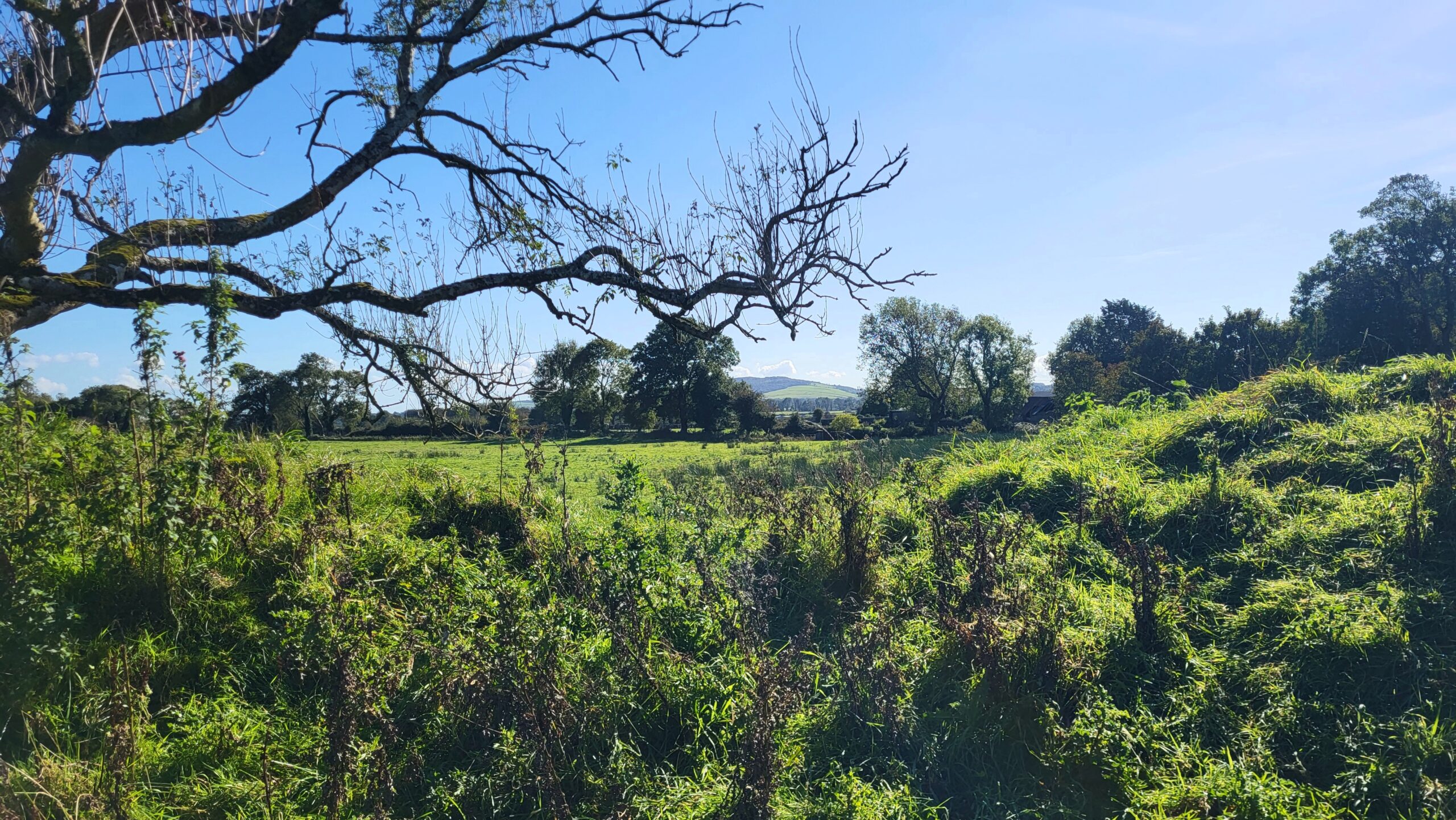
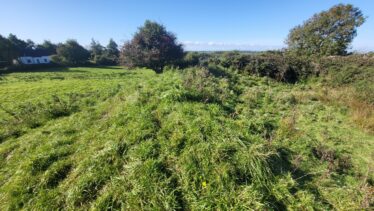
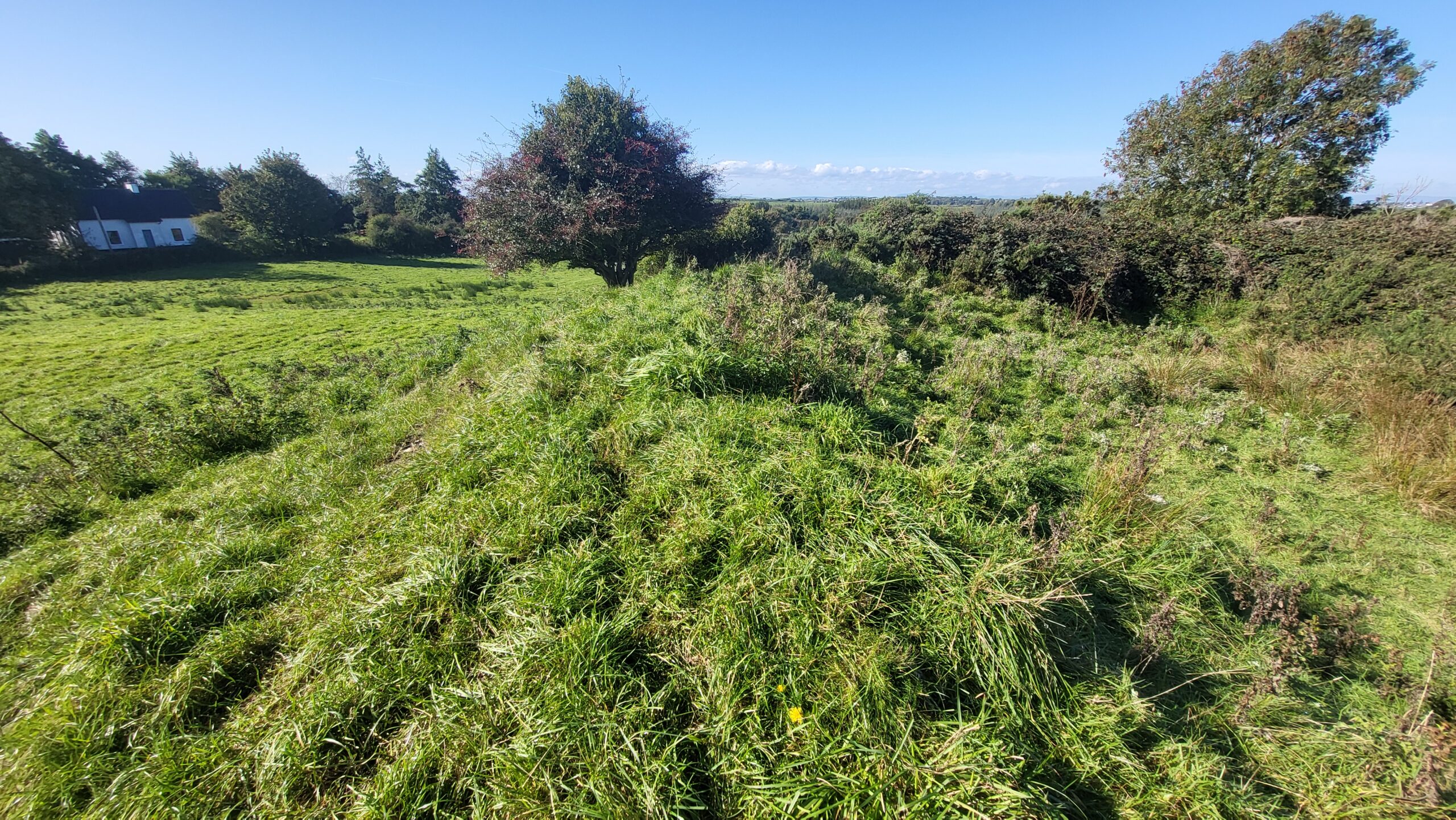
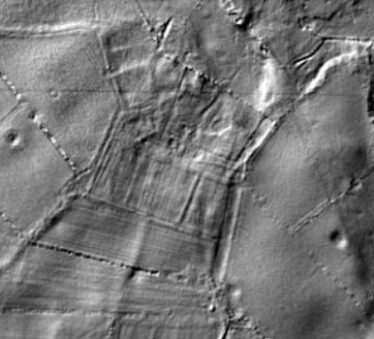
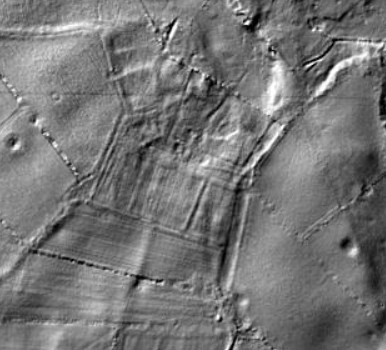
According to the National Monuments Service, there is one ringfort in Beaghbeg, as well as a religious house. Although nothing now remains of the house, open source LiDAR images from the area show distinct enclosures and field systems where the religious house was located.
Ringfort – Rath (GA042-024—-)
On a rise in gently undulating grassland. Named ‘Sheenaun Fort’ on OS Fair Plan, it consists of a well-preserved overgrown circular rath (D 24.9m) defined by a bank. A gap at ESE may mark the original entrance.
Religious house (GA042-025—-)
In gently undulating farmland. According to local information, there was a monastery here but the community later moved to Tipperary. The ‘plum garden’ of the monastery was extant up to ten years ago but no visible surface trace now survives. However, much slate is still usually dug up when ploughing. This is probably the site of the Franciscan house of ‘Beagh in the barony of Clare’, described in 1585 as a ‘ruined chapel or cell’ (Gwynn and Hadcock 1970, 269).
The above descriptions are derived from the published ‘Archaeological Inventory of County Galway Vol. II – North Galway’. Compiled by Olive Alcock, Kathy de hÓra and Paul Gosling (Dublin: Stationery Office, 1999). Date of upload: 05 August 2010
Please note: Both of the monuments/historical sites listed here are on private property and should not be accessed or entered without prior permission from the landowner.
National Inventory of Architectural Heritage
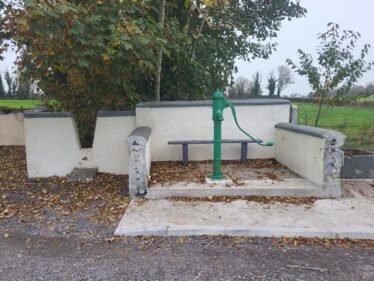
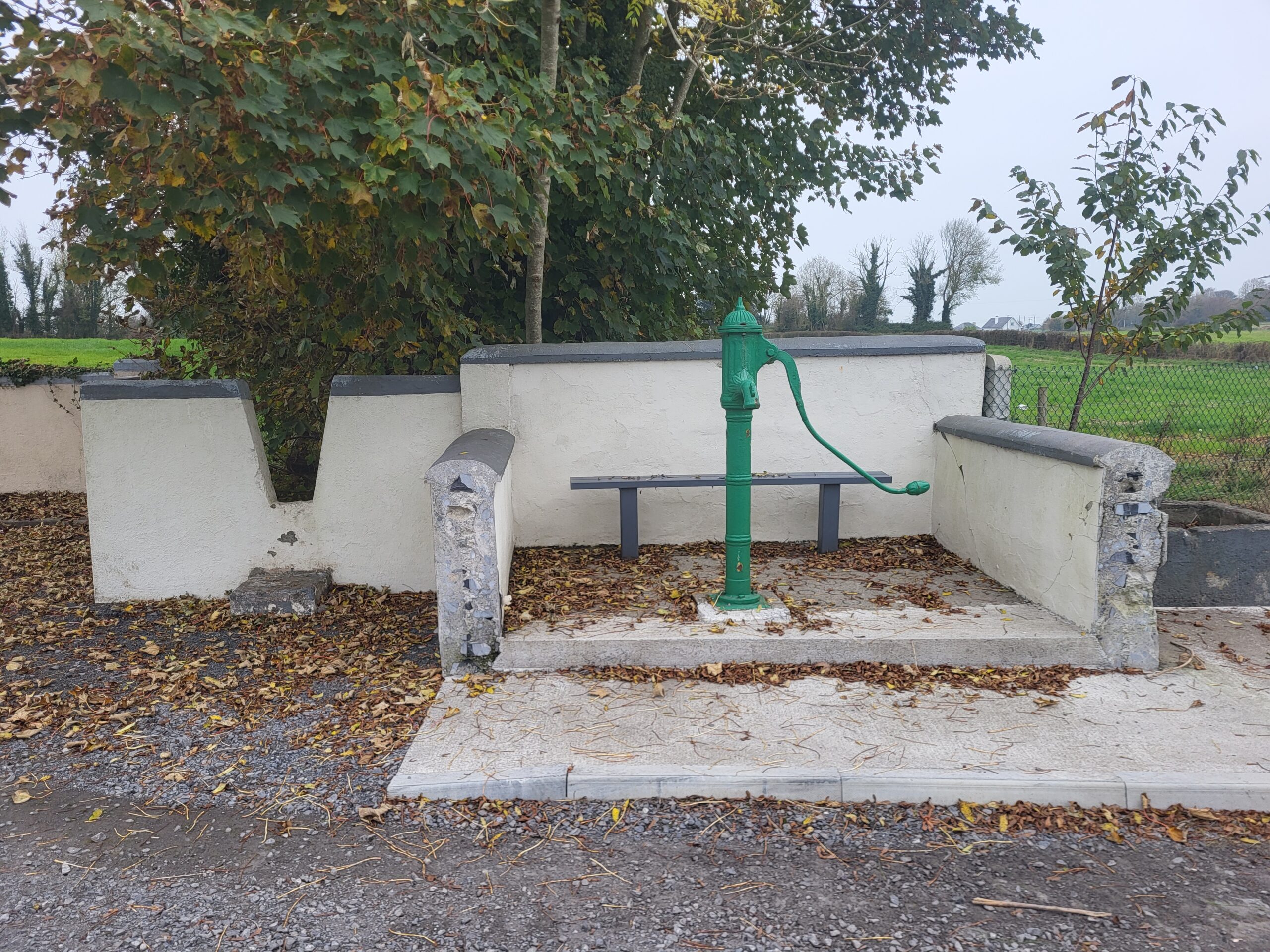
One water pump and stile feature on the National Inventory of Architectural Heritage for Beaghbeg.
Description
Freestanding cast-iron water pump, erected c.1870, having banded cylindrical shaft, fluted neck, ram’s head bucket grip, fluted domed top with pointed finial and cow’s tail pumping arm. Rendered wall to rear and sides. Stile in rendered wall to side of well enclosure.
Appraisal
This is a good example of the standard water pump design prevalent in the late nineteenth century. It is of social history and technical interest, having provided water to the district for perhaps a century.
No Comments
Add a comment about this page